We have
Answers

We have Answers

A POP display is a branded fixture placed near a product to attract attention and encourage purchase. These displays combine design, messaging, and placement strategy to convert casual shoppers into buyers.
Temporary displays are used for short-term promotions or seasonal campaigns, often made from lightweight materials like corrugate. Permanent displays are designed for long-term use, built from durable materials to reflect ongoing brand presence.
Effective display design captures attention within seconds. It guides the shopper’s eye, communicates value quickly, and helps products stand out amid competing messages.
A successful display balances creativity with functionality – it aligns with brand identity, enhances product visibility, and engages shoppers emotionally and visually.
Depending on campaign duration and budget, materials can range from corrugate and acrylic to wood, metal, and digital screens. The right mix depends on brand goals and retail environment.
Modular displays offer flexibility for brands running multiple promotions or store formats. They can be reconfigured or refreshed without starting from scratch, saving both time and cost.
Sustainable displays use recyclable materials, efficient logistics, and eco-friendly finishes. Beyond compliance, they also signal brand responsibility and appeal to environmentally conscious shoppers.
Digital signage uses electronic displays to communicate brand messages, promotions, or product stories in retail environments. Unlike static graphics, digital signage can be updated quickly and tailored to specific audiences, helping brands stay relevant and engaging across multiple touchpoints.
Interactive kiosks are digital touchpoints that allow shoppers to explore content, customize options, or learn more about a product directly in-store. They merge the convenience of online research with the immediacy of hands-on retail engagement, improving customer experience and data insights.
In-store digital merchandising integrates digital displays, sensors, and content management systems to enhance the retail environment. It creates dynamic experiences that capture attention, support brand storytelling, and encourage purchase decisions through real-time, interactive engagement.
Managed Graphic Services centralize the creation, distribution, and maintenance of visual assets across retail networks. This ensures consistency in brand identity, quality, and messaging from one location to another, streamlining how campaigns roll out nationwide or globally.
Managed Field Services handle the installation, upkeep, and performance tracking of retail fixtures, displays, and digital systems. It provides a coordinated way to monitor brand activations, ensure compliance, and maintain display integrity over time.
Managed Digital Services oversee the technical aspects of digital merchandising — from display installation to software updates and remote management. These services keep retail technology running smoothly and ensure content remains current and aligned with marketing goals.
Turn-key managed services refer to a fully integrated solution for concept, design, production, deployment, and ongoing support of digital merchandising systems. It simplifies complex retail programs by unifying design, logistics, and technology under one management structure.
Digital merchandising improves the in-store journey by blending storytelling, interactivity, and data. When executed effectively, it personalizes experiences, builds emotional connections, and bridges physical and digital retail touchpoints.
Retail theater transforms a retail space into an immersive experience that connects shoppers with a brand’s personality and story. Through lighting, sound, movement, and design, it makes shopping feel more like entertainment than routine.
Retail theater captures attention, creates emotional engagement, and increases dwell time. It allows brands to stand out in competitive spaces, drive stronger in-store storytelling, and leave customers with memorable, shareable experiences that reinforce brand loyalty.
Digital displays, motion sensors, and interactive media bring retail theater to life. When combined with strong design and storytelling, technology turns ordinary store environments into dynamic spaces that react and respond to the shopper.
Bish Creative manufactures retail display programs – ranging from small test runs to high-volume rollouts – built to match your brand, retail environment, and budget. Bish supports both company-owned and outsourced production paths so programs can scale efficiently without sacrificing quality.
Yes. Bish is set up to stay nimble whether you need 1 unit or 1,000,000 units, selecting the right production approach to keep costs low, lead times short, and quality high.
Bish uses a flexible manufacturing model – leveraging owned capabilities plus trusted partners – so production can shift based on timeline, complexity, and volume. That adaptability is designed to reduce bottlenecks and keep programs moving from approval to shipment quickly.
Company-owned manufacturing can provide tighter day-to-day control and faster pivots. Outsourced manufacturing adds capacity and specialized options for certain materials or volumes. Bish uses either or both to hit your cost, timeline, and quality targets.
Yes. Most display programs benefit from a prototype or production sample to confirm structure, graphics, shopability, pack-out, and retailer requirements before scaling. Bish validates early so national launches go smoother.
Bish emphasizes consistent specifications, repeatable build methods, and checks that protect brand standards across all units – especially important when a program ramps from pilot to large production runs.
Typically: display type, rough dimensions, target quantity, retail environment, desired materials or finish, packaging requirements, in-store date, and ship-to plan. If you are early-stage,Bish can start with goals and budget range and guide the scoping.
Yes. Bish balances design intent with smart material and production choices so you can protect impact while controlling unit cost – especially at high volume.
Yes. Bish can guide programs from concept through packaging, kitting, and delivery, which reduces handoffs and increases accountability across the program.
Strong displays drive visibility, improve shopability, and create brand moments at the shelf. Bish pairs manufacturing flexibility with quality execution so brands can launch confidently, whether it is a limited run, seasonal program, or national deployment.
Branded merchandise includes custom promotional items designed to make a bold first impression, stay useful enough to keep, and reinforce your brand message so your audience remembers you long after the event or campaign.
Bish starts with audience and use case – events, sales enablement, employee kits, customer thank-yous, or retail support. Then we curate items that align with your brand standards, budget, and the experience you want people to remember.
Yes. Bish builds merchandise that stays on-brand – logo use, color accuracy targets, placement, and packaging presentation – so the final item looks intentional and premium.
Minimum order quantities vary by product type and decoration method. Bish recommends options that fit your timeline and quantity while balancing premium feel with budget.
Common methods include screen print, embroidery, laser engraving, UV print, heat transfer, and more. The right method depends on product material, durability needs, and the look you want.
By prioritizing items people actually use. Bish emphasizes practical, repeat-use products so your logo becomes part of someone’s day-to-day routine rather than a throwaway item.
Timing depends on product choice, decoration, and freight. Bish can propose fast-turn items when deadlines are tight and premium options when you have more lead time.
Timing depends on product choice, decoration, and freight. Bish can propose fast-turn items when deadlines are tight and premium options when you have more lead time
Yes. Bish offers storage and shipping support that enables ongoing programs, event rollouts, and on-demand fulfillment through a client portal experience.
Bish treats branded merchandise as part of a larger brand experience, pairing creativity with end-to-end support including packaging, kitting, and logistics when needed.
Bish creates specialty packaging designed to blend style, functionality, and durability. This packaging is often used to elevate premium products, gift sets, and limited editions while protecting the product in transit and on shelf.
Specialty packaging is packaging designed to stand out through materials, structure, finishes, or interactive features. It is ideal when shelf presence or the unboxing experience is part of the brand story.
Bish’s packaging work spans categories such as wine and spirits, luxury goods, cosmetics, food, and more, adapting structure and durability to each product type.
Yes. Bish aligns structure, graphics, and functionality to ensure the packaging works in real-world conditions while staying visually compelling.
Bish designs packaging to protect the product first. Then brand impact is enhanced through structure, materials, and finishing details that elevate perception without sacrificing protection.
Yes. Sampling confirms fit, protection, material feel, and assembly before committing to production.
Minimum order quantity depends on structure complexity, print method, and materials. Bish recommends options that align with your volume and budget goals.
Yes. Bish creates packaging designed to be opened, photographed, and remembered – especially for gifting, influencer programs, and premium launches.
Yes. Packaging often forms the foundation of a kit. Bish can produce packaging, assemble kits, and manage shipping through a coordinated workflow.
Bish focuses on packaging that is innovative, eye-catching, and cost-effective, built to protect the product while elevating brand perception.
Kitting is the process of assembling multiple related items into one coordinated package so customers, sales teams, or event staff receive everything they need in a single, ready-to-use kit.
Examples include marketing kits, retail support kits, sales enablement kits, influencer kits, launch kits, and event kits built around complementary materials.
Kitting saves time and reduces friction by packaging the right components together. This makes it easier to deliver a complete experience, improve satisfaction, and encourage repeat business.
Bish emphasizes hands-on quality. Each kit is carefully assembled with components double-checked for accuracy and presentation.
Yes. Kits can include custom packaging, inserts, protective materials, and presentation details that enhance brand impact.
Bish uses clear bills of material, staged assembly processes, and verification steps to reduce errors and ensure consistency at scale.
Yes. Kits can be built for internal teams, retail programs, or direct-to-consumer deliveries.
A list of components, target quantities, packaging requirements, deadline, and shipping plan. Bish can also help structure the kit if the program is still in development.
Yes. Kitting can be paired with warehousing so kits are assembled and shipped as orders come in.
Bish offers 48-hour shipping once programs are properly set up and inventory is available.
Retail displays act as a brand’s physical storyteller. Through design, color, and placement, they communicate identity, purpose, and emotion – all of which influence buying decisions.
Consistency across fixtures, signage, and messaging builds recognition and reinforces credibility. Shoppers trust brands that look polished, reliable, and cohesive in every retail setting.
Packaging is often the first physical interaction a shopper has with a brand. Good design conveys quality, differentiates the product, and supports the broader in-store message.
Experiential retail design focuses on creating meaningful in-store experiences that immerse shoppers in a brand’s world. It encourages interaction, emotion, and lasting impressions rather than passive browsing.
A holistic approach that combines strategy, creativity, and execution ensures every retail touchpoint works together. From concept through installation, this creates measurable brand impact and stronger shopper connections.
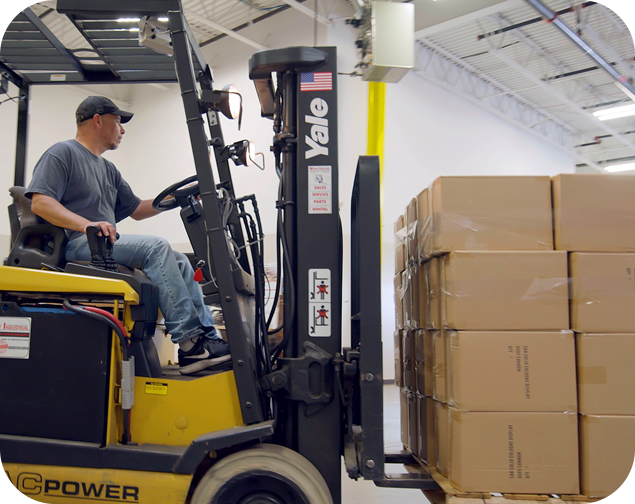
Bish is a full-service warehouse and transportation provider with more than 250,000 square feet of space and facilities in Chicago and Los Angeles, plus as-needed support in China. Services include storage, shipping, and reporting.
Facilities are located in Chicago and Los Angeles, with additional support available in China when needed.
Omnichannel merchandising unites physical and digital shopping experiences. It ensures that messaging, visuals, and promotions stay consistent whether a customer is online, on mobile, or in-store.
Careful planning, modular designs, and smart material choices allow brands to deliver high-impact displays while staying within budget. Collaboration between creative and production teams is key.
The future combines storytelling, data, and technology to create environments that feel personal and immersive. Successful brands will continue to blur the line between physical and digital retail experiences.
Bish is a full-service warehouse and transportation provider with more than 250,000 square feet of space and facilities in Chicago and Los Angeles, plus as-needed support in China. Services include storage, shipping, and reporting.
Facilities are located in Chicago and Los Angeles, with additional support available in China when needed.
Transportation options include Ocean, Full Truckload, Less-Than-Truckload, and Parcel shipping so mode can match timeline and cost requirements.
Flow-thru refers to short-term receiving and rapid outbound movement with minimal storage time. Long-term storage holds inventory for ongoing programs so items can ship on demand.
Clients can access a portal, select items, enter shipping details, and place orders. Bish highlights guaranteed 48-hour shipping once the program is active.
Bish can provide standard or customized reporting showing inventory levels, order history, and budget visibility.
Yes. Drop-shipment capability is ideal for store rollouts, events, and multi-address kit distribution.
As Bish has grown, it has gained volume discounts with key providers, helping improve shipping efficiency where applicable.
When Bish manages creative, manufacturing, assembly, and logistics, communication runs through one point of contact – your Bish Account Manager – reducing handoffs and confusion.
Brands running multi-location retail programs, promotional drops, sales kits, or ongoing merchandise and packaging programs benefit most from storage, visibility, and consistent shipping execution.

BISH EXPERTS


BISH EXPERTS